
Modern municipalities face a balancing act. Between fluctuating economic landscapes and the increasing demand for infrastructure resilience, municipal teams are juggling more responsibilities than ever.
To navigate these challenges, many organizations turn to Asset Management (AM). While AM is designed to create efficiency, building a comprehensive program from scratch requires significant time and a shift away from departmental silos.
The Missing Link: The Asset Management Strategy
Too often, asset management is treated as a “side project”, downgraded to a single department. However, true maturity requires a corporate-wide effort. The key to unlocking this holistic approach is a frequently neglected document: the Asset Management Strategy.
Unlike a simple inventory list, an Asset Management Strategy provides a high-level roadmap that aligns infrastructure goals with long-term financial planning. It fosters cross-departmental coordination and ensures every dollar spent contributes to community value.
3 Fundamental Steps to Build Your Strategy
To move your organization from reactive maintenance to proactive management, follow these three phases of strategy development:
1. Assess Your Current State
You can’t map a route without knowing your starting point. Begin by assembling an Asset Management Committee featuring stakeholders from each essential department, such as Finance, Public Works, IT/GIS, and Administration.
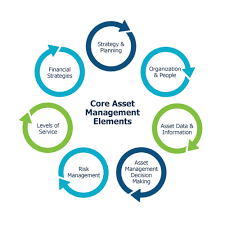
- Identify Gaps: Evaluate your organization against the core elements of asset management.
- Audit Your Data: Are you missing critical condition assessments or lifecycle policies?
Break Silos: Use this phase to understand how different departments currently interact with (or lack access to) asset data.
2. Define a Realistic “Future State”
Avoid the trap of trying to achieve “perfect” data overnight. Instead, define a target maturity that is practical and achievable for your specific local government.
- Benchmarking: Look at similar-sized organizations to identify industry best practices.
- Building Consensus: By involving members from across the organization, you ensure that the goals set are supported by those responsible for executing them.
3. Develop the Tactical Roadmap
This is where the strategy becomes actionable. Your final document should outline specific initiatives, tasks, timelines, and ownership.
- Assign Accountability: Every task needs a clear owner to prevent project drift.
- Set Milestones: Break long-term goals into manageable projects with firm deadlines.
Continuous Improvement: A strategy is a living document. Regularly analyze your corporate maturity to adjust your roadmap as community needs evolve.
Strategic Initiatives in Action
How does a high-level strategy translate into daily operations? Here are two examples of how identifying a gap leads to a tactical initiative:
Core Element: Asset Data and Information
- The Gap: A review reveals outdated and incomplete condition data for the sewer network.
- The Initiative: Public Works Data Enrichment
- The Action: Tasks include conducting field assessments, uploading data to a centralized registry, and finalizing GIS linkages to all asset systems. Ownership is shared between Public Works and GIS departments.
Core Element: Asset Management Decision-Making
- The Gap: The municipality lacks formal lifecycle strategies for its road network, leading to reactive budgeting.
- The Initiative: Road Lifecycle Framework Development
- The Action: Tasks include developing lifecycle models for different road classes and presenting long-term budget scenarios to Council. This requires collaboration between the Finance and Public Works departments.
The Bottom Line
A successful Asset Management Strategy requires honest communication, a thorough identification of gaps, and a commitment to realistic goals. By following these three steps, your organization can create a roadmap that ensures infrastructure provides value for residents today and for generations to come.
A version of this article was originally posted in the September 2020 GFOABC Newsletter.
How PSD Citywide Can Help
Building a strategy that bridges the gap between data and decision-making is a massive undertaking. PSD Citywide specializes in helping municipalities navigate this journey through a combination of industry-leading advisory services and integrated asset management software. Whether you need help conducting a gap analysis, developing lifecycle frameworks, or centralizing your data, our experts provide the tools and expertise to turn your asset management goals into a reality.